

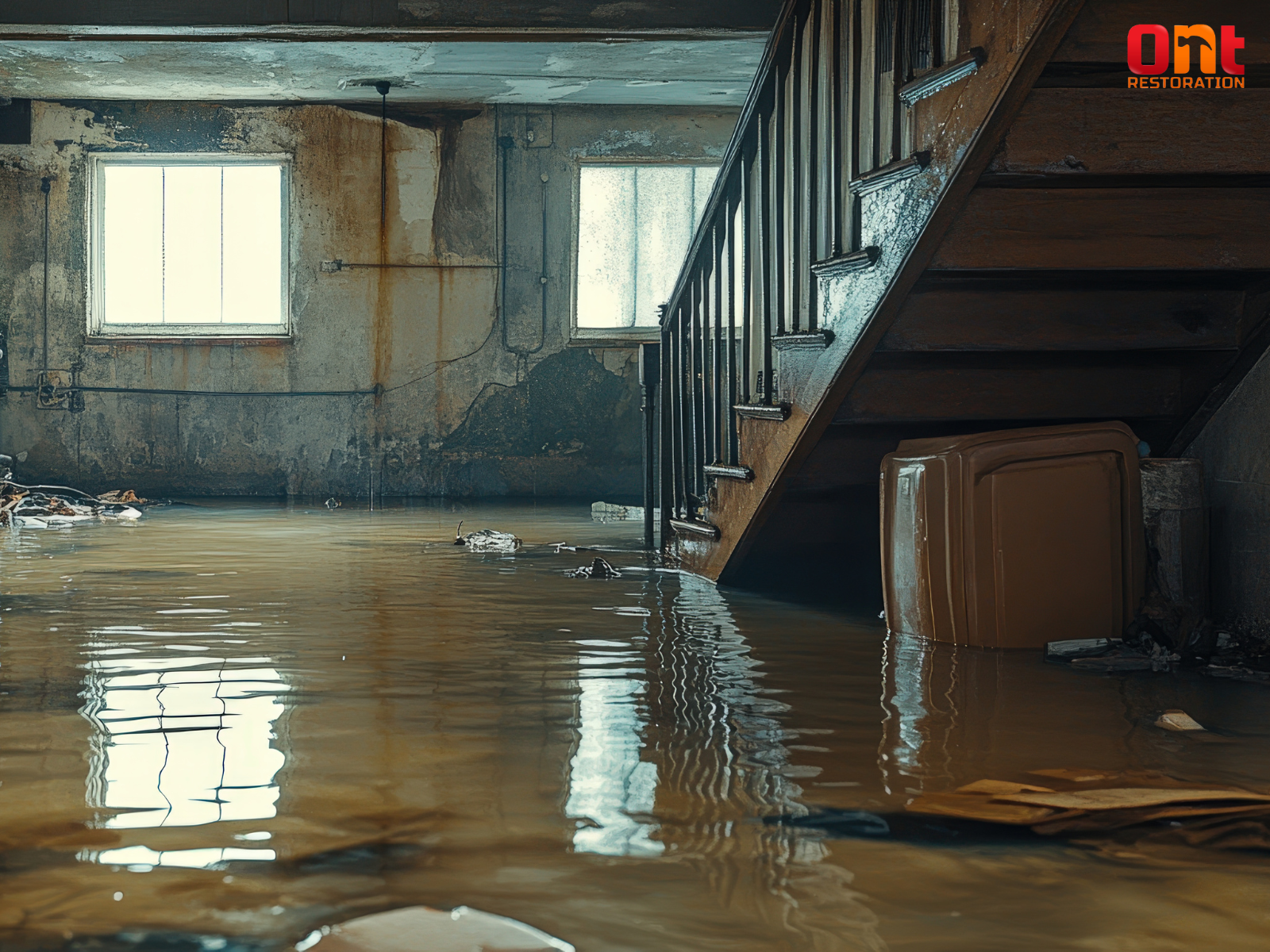
Basement Flood
In Canada, the basements are often used as storage space, for recreational activities and as a living room. Homeowners significantly spend on basements to make them more functional. However, natural calamities like heavy rainfall and snowmelt can cause water intrusion in the basement. Apart from this, leaky pipes and plumbing can lead to a basement flood, potentially wiping out all the hard work and money in one swipe.
In this blog, we will discuss the potential causes of basement flooding and later, ways to prevent it.
How Does Basement Flooding Occur?
- Due to the absence of a sump pump in the basement.
- Due to the presence of major cracks on the roofs, walls or floors.
- Due to negligence or the failure of plumbing pipes and the drainage system.
- Due to ignoring the regular maintenance of the drains.
- Due to neglecting the slope of the landscape.
- Due to clogged downspouts.
- Due to the presence of cracks in sewer lines or breakage in sewer lines.
- Due to the ill-fitting of the door and window sealing.
Ways to Protect Your House From Basement Flooding
Regular maintenance of plumbing pipes, installing sump pumps, adding insulation, and using a humidifier to reduce dampness. These are easy and feasible steps that prevent water intrusion. Let’s get into more details.
- Slope of Terrain
Slope plays a crucial role in areas prone to heavy rainfall and flooding. The ground around your home should have an opposite slope to your home, ensuring that rainwater drains away rather than pooling near the foundation or seeping indoors.
- Using a Sump Pump
A sump pump is a device that collects excess water and discharges it outside in a sump pit. It is usually kept in the lowest zone of the house. It is useful for homes located in a flood-prone area.
- Downspouts
A downspout is a vertical pipe installed to carry rainwater down the drainage system. It prevents water buildup from reaching the structural elements of the building. Regularly check downspouts to prevent clogging, because once they are blocked, they may cause basement flooding.
- Insulation And Sealing
As we all know, prevention is better than a cure. So in this case also, we should try our best to avoid water leaks from any source. Insulating your walls, floors, crawl spaces and sealing doors, windows is an effective way to stop water intrusion.
There are two main types of insulation: exterior and interior.
Exterior Insulation- This is an effective method that prevents heat loss and water intrusion. This method involves digging a pit near the foundation and building insulating walls and a proper drainage pipe for water discharge.
Interior Insulation– Closed-cell polyurethane spray foam, applied by a certified installer, will help to avoid moisture. And installing a vapour barrier will reduce moisture and keep the area dry, which will help to prevent mold growth. Polyamide sheeting is also effective in preventing water intrusion.
- Humidity Monitor
Monitoring indoor humidity levels helps prevent moisture buildup that could lead to a flooded basement. It is advised to keep this in the center of the room, away from direct sunlight and away from the corners.
Note– Other than water intrusion from exterior sources, interior sources like leaky pipes and condensation due to cold also lead to the accumulation of water. For such a situation, heat insulation needs to be ensured.
Conclusion
A flooded basement is one of the most common issues faced by Canadians. The extent of flooding may vary depending on geographical conditions and natural water table depth. Apart from natural disasters, basement floods can occur due to leaky pipes and cold weather.
By implementing above mentioned steps, water intrusion and the chances of mold growth can be significantly reduced.
If you’re still worried about the aftereffects of a flooded basement, consider calling a professional service provider like ONT Restoration. We are fully licensed professionals offering services like water damage restoration, flooded basements, and mold removal. You can also contact us in an emergency. Our team will respond quickly and reach the affected site for flooded basement water removal, followed by flood restoration.
FAQs
1. How do I protect my basement from flooding?
Answer – Protect your basement from floods by installing sump pumps, proper ventilation and routine checkups of drain outlets.
2. How fast does mold grow after a basement flood?
Answer – Due to the presence of prolonged moisture, mold and mildew can grow after 24 to 48 hours of stagnation.
3. What to claim when a basement floods?
Answer – Basement flood insurance is generally covered in insurance, including water removal and restoration, but it does not cover the source of flooding, like repair or restoration of a malfunctioning sump pump.
Comments are closed